Nov 17, 2026
News
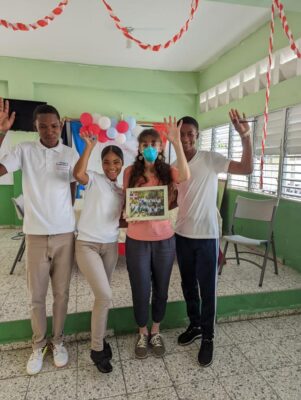
For two decades, Julie Solomon, Ph.D., helped shape and strengthen the Bridge to Employment (BTE) program through her work as an independent evaluator. From supporting the development of BTE’s overarching program model in 2006 to completing her most recent evaluation engagement in Argentina in 2026, Julie’s work has influenced 15 BTE sites across California, Latin America, and the Caribbean.
After years of working in adolescent health and prevention programs, Julie was drawn to BTE’s holistic approach and collaborative model, which brings together schools, community organizations, and private-sector partners to help students build pathways to brighter futures. “The opportunity to work with a program focused on other aspects of youth development was very exciting,” she explained.
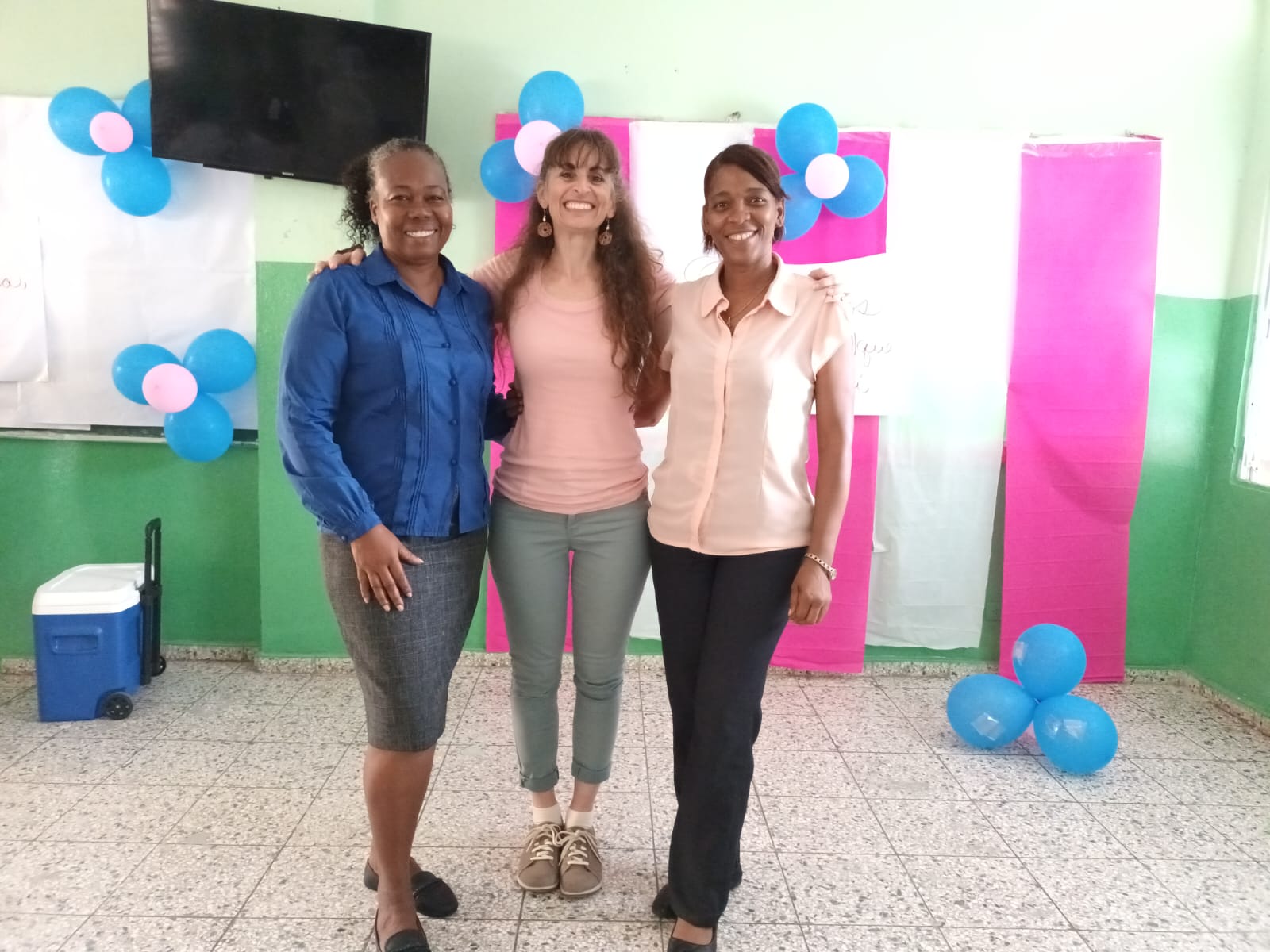
Over the years, that collaboration became one of the reasons Julie remained so deeply connected to the program. She worked alongside educators, nonprofit leaders, Johnson & Johnson employee volunteers, and other community partners, while also connecting directly with students through focus groups, surveys, and site visits. Those interactions allowed her to see firsthand how BTE was transforming lives and to share lessons learned across sites around the world.
Throughout her tenure, Julie witnessed BTE evolve in meaningful ways. She saw the program expand its global footprint, adapt creatively during the COVID-19 pandemic, and strengthen its focus on youth leadership and community engagement.
“The success of the international sites is a tribute to the vision and hard work of FHI 360 and J&J partners and the site teams. Having sites across six continents has afforded unique learning opportunities for BTE site staff and students, including through the annual Alliance Building and Training Session (ABTS), virtual site-to-site meetings, and more informal communication between site teams,” she stated.
She noted that “BTE sites and their students are creative, committed, and resilient!” During her time with BTE, Julie observed the resilience of students and site teams as they navigated natural disasters, social unrest, school leadership changes, and personal hardships while continuing to move forward with determination and hope. “Across every challenge,” she says, “site teams kept moving forward, reconfiguring activities, staying positive, and persevering. The students did the same. They continue to inspire me.”
Some of the moments that have stayed with her the longest were deeply personal. She recalls students overcoming extraordinary challenges, discovering their voices, and finding pathways to post-secondary education and meaningful careers. Whether it was a student with autism gaining confidence and social skills, a young person overcoming significant barriers and trauma to achieve career success, or a student leader captivating an international audience, these stories reinforced the transformative power of opportunity, mentorship, and support.
“There was a student who was the lead presenter for her team’s group project at the annual BTE ABTS who BROUGHT DOWN THE HOUSE! The topic was related to the environment, and her presentation style literally brought the entire audience—including at least 30 J&J employees—to tears,” Julie recalled.
As an evaluator, Julie saw firsthand how listening to students strengthened programs. Feedback gathered through focus groups often inspired meaningful improvements, from expanded tutoring and community service opportunities to stronger mentor matching and more hands-on STEM2D learning experiences. Her role extended beyond measurement; she served as a trusted thought partner who helped sites learn, adapt, and continuously improve.
Julie often describes herself as a “critical friend” to BTE sites, working alongside teams in pursuit of a shared goal: creating the best possible experience for students. Her thoughtful approach fostered open dialogue, honest reflection, and evidence-based decision-making that helped programs evolve while keeping student needs at the center. 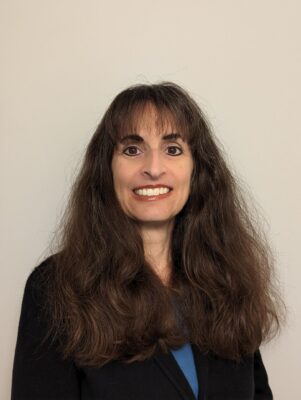
That impact was especially evident when Julie reflected on the outcomes she witnessed over the years. Beyond tracking metrics and program milestones, she saw remarkable personal growth in the students she followed throughout their BTE journeys.
“One of the most rewarding parts of my work was seeing positive changes in students over the three years of each program and seeing so many move on to postsecondary education,” Julie said. Whether through focus groups, surveys, or site visits, she watched students become more confident, self-aware, and future-focused. By the end of the program, students were often able to clearly explain how BTE had influenced their knowledge, skills, motivation, academic performance, and long-term aspirations.
Julie also found fulfillment in helping BTE sites strengthen their programs through evidence-based learning. By sharing evaluation findings and introducing new approaches to gathering feedback, she supported teams in continuously improving their work and, in some cases, applying those practices to other youth-serving programs.
Throughout her career with BTE, Julie championed the value of independent evaluation. She believes evaluators play a unique role in creating space for honest feedback while bringing an outside perspective that helps organizations learn and grow. By gathering insights from students, educators, site teams, volunteers, and other community partners, she helped paint a more complete picture of program impact.
“You can’t fully understand a program’s impact from any single perspective,” Julie explained. “It comes from bringing together different voices and different types of data.”
One lesson that stayed with her was the importance of looking beyond numbers alone. Evaluation findings often became richer when paired with the personal stories behind them, revealing challenges, resilience, and unexpected successes that traditional metrics could not always capture. Those stories helped site teams better understand students’ realities and highlighted the many ways BTE was creating meaningful change in their lives and communities.
As she celebrates 20 years with BTE, Julie’s legacy extends far beyond the reports she produced. Through her dedication to learning, continuous improvement, and elevating student voices, she has helped strengthen programs, inform decision-making, and ensure that the experiences of thousands of young people remain at the heart of BTE’s work.